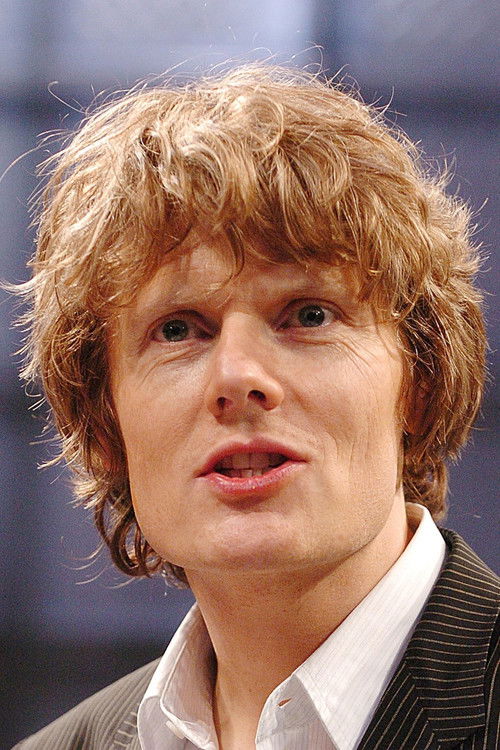
Julian Rhind-Tutt: From West Drayton Stages to Global Screens
In the vibrant tapestry of British acting talent, few threads are as distinctive and versatile as that woven by Julian Rhind-Tutt. Instantly recognizable for his captivating blend of sharp wit, dramatic gravitas, and a voice that can soothe or sting with equal measure, Rhind-Tutt has carved out an illustrious career spanning decades. While many fans affectionately recall his breakout role as the charming, motorbike-riding Dr. 'Mac' Macartney in the seminal Channel 4 comedy Green Wing, his journey from the modest stages of West Drayton to becoming a master of stage and screen is a testament to unwavering dedication, diverse talent, and an astute understanding of his craft.
This article delves into the remarkable trajectory of an actor who consistently defies easy categorization, exploring the foundational experiences, pivotal roles, and enduring appeal that define Julian Rhind-Tutt's remarkable career. We'll explore the path that led him from childhood performances to critically acclaimed theatrical runs and beloved television appearances, culminating in his status as one of Britain's most respected and adaptable performers.
The Formative Years: A Young Talent's Ascent
Born on July 20, 1968, in West Drayton, near London's Heathrow Airport, Julian Rhind-Tutt was the youngest of five children. While his father pursued the grounded profession of a master builder, young Julian's interests quickly veered towards the dramatic. His first foray into acting came early, at Heathrow Primary School, with a role in The Happy King. This early spark ignited a lifelong passion, leading to further school productions, most notably a memorable turn as Hamlet in a school play that even travelled to the prestigious Edinburgh Festival. Such an ambitious undertaking at a young age hints at the burgeoning talent and dedication that would come to define his career.
His academic pursuits continued this artistic bent, with Rhind-Tutt studying literature and drama at Warwick University. This academic foundation was swiftly followed by rigorous professional training at the esteemed Central School of Speech and Drama. It was here that his burgeoning talent truly began to shine, earning him the coveted Carleton Hobbs Bursary Award in 1992. This prestigious accolade provided a crucial stepping stone: a year of guaranteed work with BBC Radio. This early immersion in radio drama proved invaluable, allowing him to hone his vocal dexterity and interpretive skills, which would remain a significant part of his career, with over fifty radio dramas to his credit. The power and distinctive timbre of his voice became a hallmark, enabling him to bring characters to life purely through sound, a skill that undoubtedly enriched his visual performances too.
Mastering the Boards: Julian Rhind-Tutt's Theatrical Foundations
Before capturing widespread attention on television, Julian Rhind-Tutt meticulously refined his craft on the stage, the crucible where many great British actors are forged. His early stage career saw him grace the prestigious National Theatre, performing in acclaimed productions such as The Madness of King George and The Way of the World. His performance in Richard II, in particular, garnered significant praise, with critics describing his portrayal as 'exceptional'. These challenging classical roles showcased his dramatic range, his ability to command an audience, and his deep understanding of character. The discipline and immediate feedback of live theatre are invaluable for an actor, fostering a profound connection to the material and a nuanced approach to performance.
Working on productions of this calibre alongside seasoned professionals provided an unparalleled education. It instilled in him a strong sense of stage presence and an ability to convey complex emotions with subtlety and power, skills that would later translate seamlessly to the more intimate medium of television and film. For any aspiring actor, Rhind-Tutt's early devotion to the theatre offers a clear lesson: the stage is a demanding but incredibly rewarding training ground that builds the bedrock of a resilient and versatile acting career.
The "Mac" Moment: Green Wing and the Rise to Prominence
Ironically, just as Julian Rhind-Tutt was contemplating a shift away from television work, fate intervened with a role that would irrevocably alter his career trajectory. That role was Dr. 'Mac' Macartney in the critically acclaimed Channel 4 surreal comedy series, Green Wing. Mac, the charming, slightly chaotic, motorbike-riding surgeon, quickly became a fan favourite. Rhind-Tutt brought a unique blend of understated charisma, deadpan humour, and a surprising emotional depth to the character, making Mac not just a comedic figure but a genuinely appealing presence. His magnetic on-screen partnership with Stephen Mangan, who played the equally memorable Guy Secretan, was central to the show's success, creating a dynamic that felt both improvised and perfectly choreographed.
Green Wing allowed Rhind-Tutt to flex his comedic muscles in a way audiences hadn't fully seen before, proving his versatility beyond dramatic theatre and supporting film roles. The show's distinctive style, a blend of traditional sitcom and sketch comedy with surreal elements, perfectly suited his nuanced performance style. The chemistry with Mangan was so palpable that it was reprised in a series of popular Barclaycard adverts between 2006 and 2008, cementing their comedic duo status in the public imagination. Mac wasn't just a role; it was a cultural moment that firmly established Julian Rhind-Tutt as a leading man capable of both humour and heart. This period was pivotal in The Julian Rhind-Tutt Story: From Heathrow to Award-Winning Actor, marking his significant leap into widespread recognition.
Beyond Mac: A Kaleidoscope of Characters Across Screen and Radio
Following the success of Green Wing, Julian Rhind-Tutt demonstrated that his talent was far from confined to one character. He embarked on a prolific period of work that showcased his remarkable range across drama, comedy, film, and television, solidifying his reputation as a true chameleon of performance. His film credits include supporting roles in blockbusters like Tomb Raider and critically acclaimed war dramas such as The Trench, where he co-starred with Daniel Craig. On television, he appeared in the American Fox network series Keen Eddie and the BBC One series Blandings, further broadening his appeal.
Rhind-Tutt seamlessly moved between period dramas, crime mysteries, and contemporary pieces. He appeared in adaptations like Oliver Twist and Poirot: The Halloween Party, showcasing his ability to inhabit diverse historical settings and character types. His performance as Angus McCain in the hit drama The Hour (2011-12) brought another complex character to life, while his roles as AC Tom Boss in Charlie Brooker's satirical A Touch of Cloth and booking clerk Xander in Gambit (2012) allowed him to revisit and stretch his sharp comedic muscles. He continued to impress with more recent projects, including the poignant war drama The Wipers Times, his role as Tommy Barret in Banished, and the compelling Phelan in the historical fantasy series Britannia. His return to the National Theatre in 2007 for Joe Penhall's Landscape with Weapon and a portrayal of a troubled American Civil War veteran in Darker Shores at The Hampstead Theatre further underscored his enduring commitment to the stage.
Throughout this diverse output, Rhind-Tutt's distinctive vocal talent remained a constant, lending gravitas and nuance to countless radio dramas. This rich and varied portfolio truly exemplifies Unpacking Julian Rhind-Tutt's Diverse Career: TV, Film & Radio, revealing an actor who consistently seeks out challenging roles and excels in every medium.
The Art of Subtlety: Why Julian Rhind-Tutt Endures
What sets Julian Rhind-Tutt apart, allowing him to endure and thrive in an ever-competitive industry, is his masterful grasp of subtlety. He often excels in roles that require a fine balance between gravitas and wit, delivering lines with an almost deceptive effortlessness that belies the precision and depth behind them. His performances often possess a quiet intensity, a sense of inner life that makes even supporting characters feel fully realized. He has an uncanny ability to convey complex emotions with a glance, a slight vocal inflection, or a perfectly timed pause, rather than overt displays.
Lessons from a Versatile Career:
- Embrace Diverse Mediums: Rhind-Tutt's success across stage, screen, and radio highlights the value of not limiting oneself to a single form. Each medium demands different skills and offers unique opportunities for growth.
- Hone Your Craft: His foundational training at Central School and extensive stage work provided a robust skillset that allows him to adapt to any role. Continuous learning and practice are paramount.
- Find Your Niche, But Don't Be Defined By It: While 'Mac' brought him fame, Rhind-Tutt consciously sought out varied roles to avoid typecasting, demonstrating a long-term strategic approach to career development.
- Leverage Unique Strengths: His distinctive voice and comedic timing are assets he has cultivated and utilized effectively across his career. Understanding and leveraging one's unique qualities is crucial.
Julian Rhind-Tutt's enduring appeal lies in his consistent ability to surprise and delight. He brings a unique intellectual quality to his performances, suggesting depths and layers that enrich every character he portrays. He is an actor who is never truly 'off', always contributing to the narrative, whether through a leading role or a brief, impactful appearance. His dedication to the craft, his willingness to explore different genres, and his innate talent for captivating an audience ensure his place as a cherished figure in British entertainment.
Conclusion: A Master of All Trades
From his early school plays and rigorous training at Central School of Speech and Drama to his memorable turn as Dr. 'Mac' Macartney in Green Wing and his extensive, critically acclaimed work across stage, film, and radio, Julian Rhind-Tutt has demonstrated a remarkable journey of artistic evolution. His career is a masterclass in versatility, showcasing an actor who can effortlessly transition from surreal comedy to intense drama, from classical theatre to contemporary television, always leaving an indelible mark. Married with one child, Rhind-Tutt maintains a relatively private life, allowing his impressive body of work to speak for itself.
Julian Rhind-Tutt is not merely an actor; he is a craftsman, a storyteller whose distinctive presence and profound skill enrich every project he undertakes. His ability to blend humour with gravitas, his nuanced performances, and his unmistakable voice have cemented his legacy as a true master of stage and screen, a talent whose continued contributions are eagerly anticipated by audiences worldwide.